











Vacuum Metallizing Machine Maintenance: Why Regular Oil Changes and Lubrication Matter
Investing in a high-quality Vacuum Metallizing Machine is an important step toward achieving consistent coating results and efficient production. However, purchasing the right equipment is only part of the equation. Proper maintenance is equally important for keeping your machine running reliably over time.
From vacuum pump oil replacement to the lubrication of moving components, different maintenance tasks contribute to the overall performance and service life of a vacuum metallizing machine. Although these tasks may seem routine, overlooking them can lead to unnecessary wear, unstable operation, and avoidable downtime.
In this guide, we will explain why regular oil changes and lubrication matter, how to determine the appropriate replacement interval, and what to consider when choosing Vacuum Metallizing Equipment for long-term operation.
Why Is Regular Maintenance Essential for a Vacuum Metallizing Machine?
| A vacuum metallizing machine consists of multiple systems and mechanical components that work together to achieve the required coating results. Even a well-designed machine needs proper care to maintain its performance throughout its service life. Regular maintenance helps operators identify potential problems before they develop into more serious issues. It also helps reduce unnecessary component wear, improve operational reliability, and minimize interruptions caused by unexpected equipment problems. If you would like to learn more about the fundamentals of equipment care, read our previous guide: Maintenance & Safety Work Method of Vacuum Metallizing Machine While comprehensive maintenance covers many different aspects, one task should never be overlooked: changing the oil. | 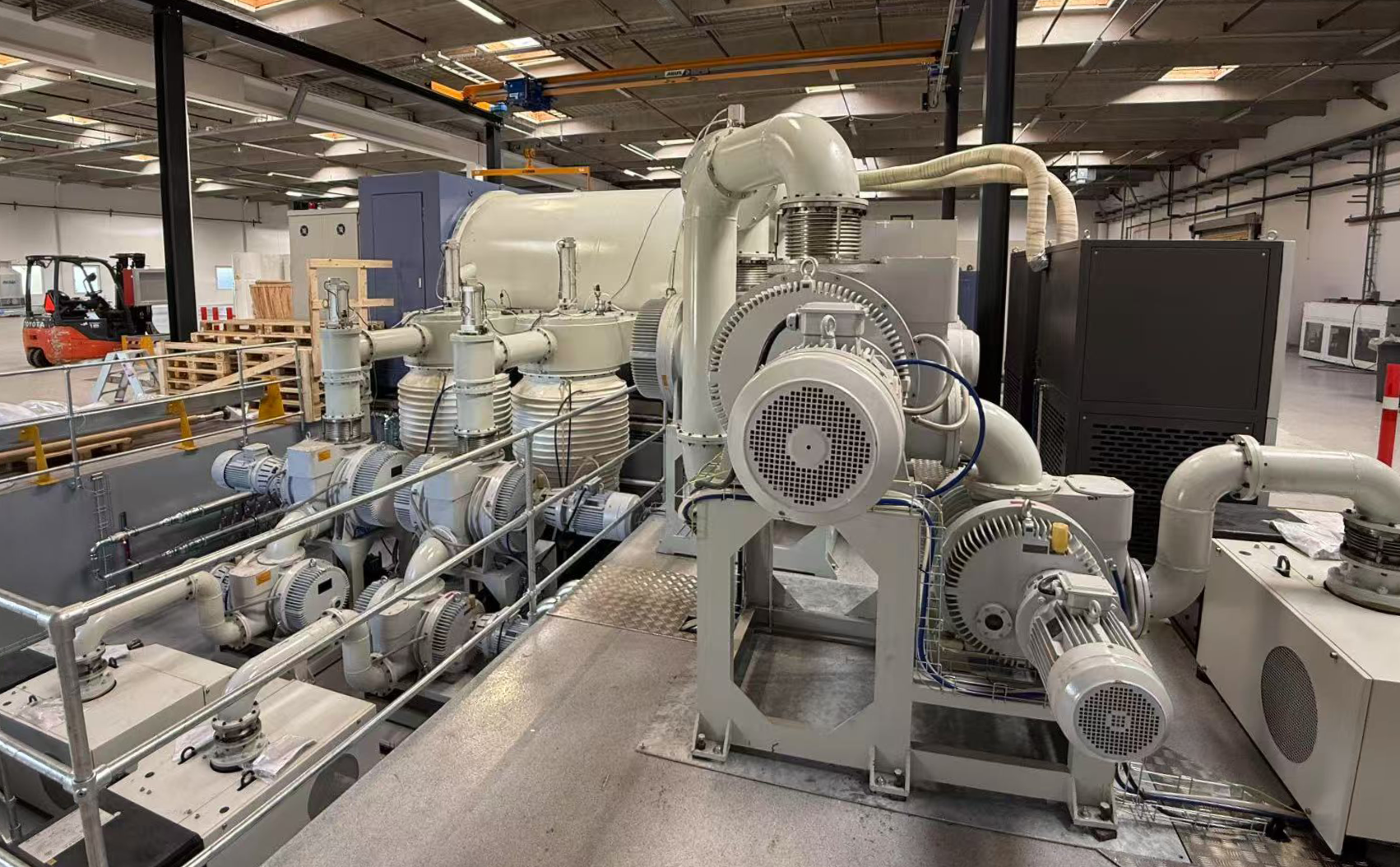 |
Why Is Regular Oil Replacement So Important?
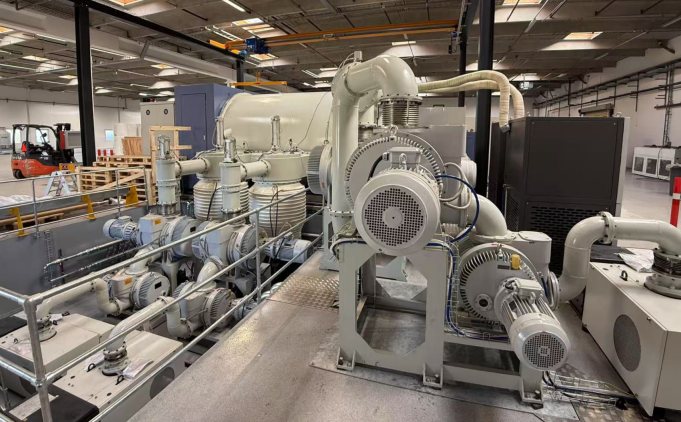
For vacuum metallizing machines equipped with oil-sealed vacuum pumps, oil is essential to the proper operation of the pumping system. Depending on the pump design, it helps lubricate moving parts, seal internal clearances, and manage heat generated during operation.
Over time, the oil can become contaminated by moisture, process by-products, and other impurities. Its properties may also deteriorate with continued use. When this happens, the pump may no longer operate as efficiently as intended.
Here are three key reasons why timely oil replacement matters.
1. Helps Maintain Stable Vacuum Performance
When vacuum pump oil becomes degraded or contaminated, the pump's ability to achieve the required vacuum level may be affected. Pump-down times may increase, making it more difficult to maintain efficient production cycles.
Regularly checking the oil condition and replacing it according to the applicable maintenance schedule helps support reliable vacuum performance.
2. Helps Protect Critical Pump ComponentsVacuum pump oil provides lubrication for moving components in oil-sealed pumps. When the oil deteriorates or becomes contaminated, its ability to perform its intended functions can be compromised. Continuing to operate a pump with unsuitable oil may increase component wear and contribute to premature equipment problems. Timely oil changes, together with appropriate inspections, help reduce unnecessary stress on the pump and support long-term equipment reliability. | 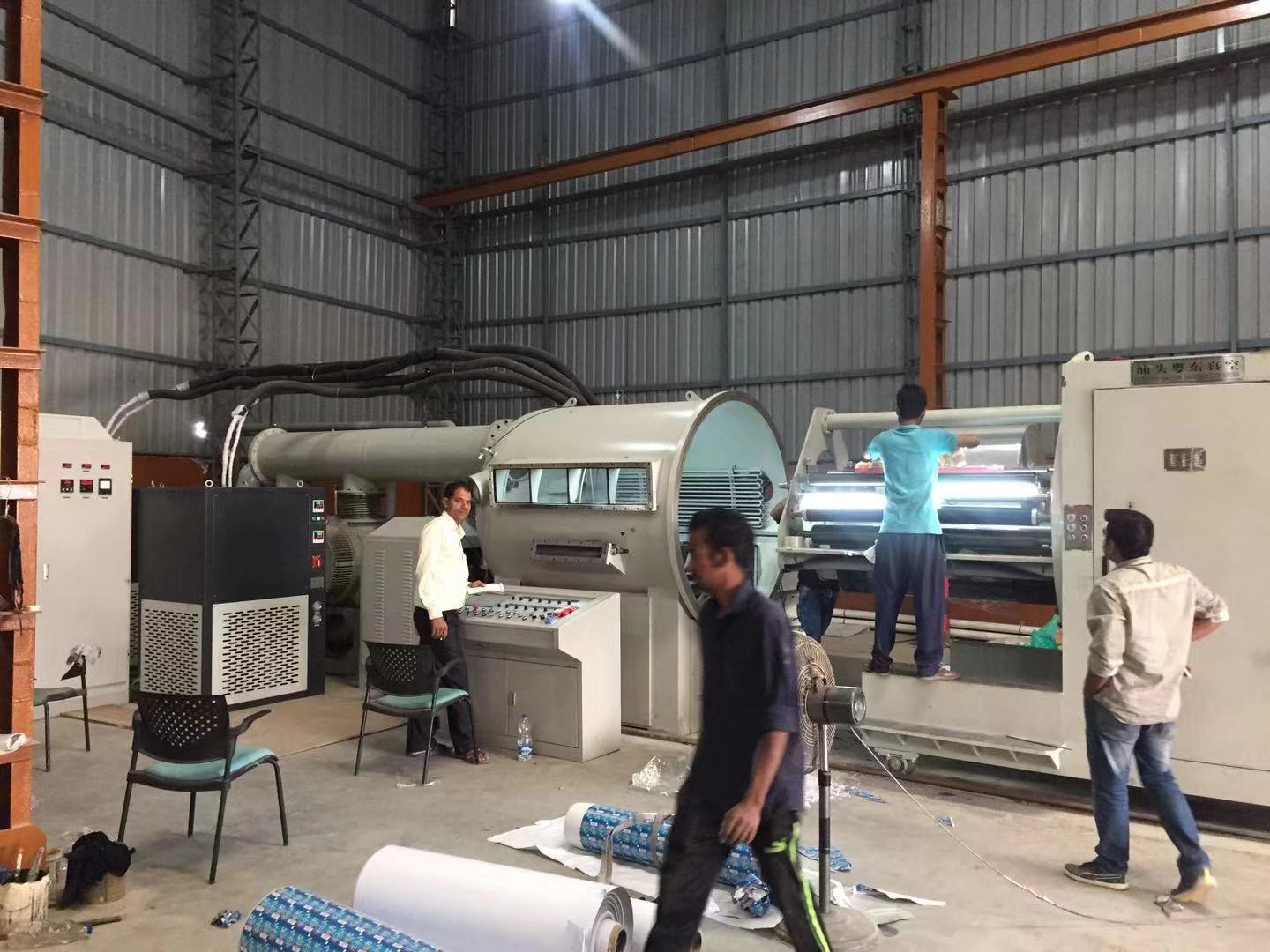 |
3. Helps Reduce Unplanned Downtime and Maintenance Costs
Unexpected equipment problems can interrupt production schedules, delay orders, and increase maintenance expenses.
Replacing oil at the appropriate interval is a relatively straightforward preventive maintenance task compared with addressing problems caused by prolonged operation with degraded oil.
A consistent maintenance routine helps operators identify potential issues earlier, plan servicing more effectively, and reduce the likelihood of avoidable interruptions.
Beyond Vacuum Pump Oil: Other Essential Lubrication and Maintenance Tasks
Although vacuum pump oil is an important part of equipment maintenance, it is not the only material involved in keeping a vacuum metallizing machine in good working condition.
Other mechanical and functional components may also require periodic lubrication, grease application, or specific surface treatments. These maintenance tasks support the operation of the machine's transmission, feeding, guiding, and other mechanical systems.
Components involved in mechanical transmission and movement require designated lubricants to help reduce friction and support smooth operation.
Using the correct lubricant and maintaining an appropriate lubrication schedule helps protect these components from unnecessary wear and supports reliable mechanical movement.
How Often Should You Change Oil and Lubricate a Vacuum Metallizing Machine?
The appropriate maintenance interval depends on the component, the material used, operating hours, working conditions, and the equipment manufacturer's recommendations.
Vacuum pump oil, general lubricants and grease may all have different inspection or replacement schedules. A single interval should not be applied to every maintenance point.
Below is a maintenance routine for your reference:
| No. | Position | Category | Oil period | Change period |
| 1 | Diffusion pump | Diffusion pump oil or 275# silicon oil | Once a month | Once every three months |
| 2 | Roots pump | 150# vacuum pump oil | Once a month | Once every six months |
| 3 | Rotary vane pump | GS-77# vacuum pump oil | Once a month | Once every three months |
| 4 | Maintain pump | LVO-100# vacuum pump oil | Once a month | Once every three months |
| 5 | Oil cup | SAE140 lubricant | Once a day |
|
| 6 | Pressure reducing valve on air compressor | White mineral oil | Once a week |
|
| 7 | Reducer | SAE140 lubricant |
| Once every six months |
| 8 | Chain wheel | SAE140 lubricant | Once a week |
|
| 9 | Viewing window | Vacuum grease | Once a day |
|
| 10 | Guide rollers | WA-50 rust remover | Once a day |
|
| 11 | Wire-feeding base | WA-50 rust remover | Once a day |
|
| 12 | Main drum bearings | Calcium base grease | Once a month |
|
| 13 | Bearings of all rollers | Calcium base grease | Once a month |
|
Use the recommended interval as a starting point, but do not rely on the calendar alone. Regularly inspect the oil for changes in color, clarity, or other signs of contamination. If the oil becomes unusually dark, cloudy, or milky, or if vacuum performance changes unexpectedly, investigate the cause and follow the manufacturer's maintenance instructions.
For equipment operating under demanding conditions, more frequent inspection or oil replacement may be necessary.
It is also important to use the correct oil grade specified for the particular pump. Different pump designs may require different oils, so always confirm compatibility before replacing the oil.
By combining a clear maintenance schedule with regular condition checks, operators can make more informed decisions about when servicing is needed.
Choosing the Right Vacuum Metallizing Machine for Long-Term Performance
Proper maintenance helps preserve equipment performance, but long-term production reliability also depends on choosing equipment suited to your application.
When evaluating a vacuum metallizing machine, it is worth looking beyond its initial specifications and considering how it will perform throughout its working life.
Here are several factors to consider:
•Suitable equipment configuration: The machine and its supporting systems should match your coating process, materials, and production requirements.
•Accessible maintenance points: Convenient access to components requiring routine inspection and servicing can help simplify maintenance work.
•Clear maintenance guidance: Well-defined operating procedures and maintenance schedules help operators understand the requirements of individual components.
•Technical support: Reliable technical assistance can help address maintenance questions and identify potential equipment issues.
•Long-term application suitability: A machine should be selected based on both its immediate production capabilities and its suitability for ongoing operation.
A suitable machine, combined with a well-planned maintenance routine, provides a stronger foundation for stable production than equipment selection alone.
Explore Our Vacuum Metallizing Equipment
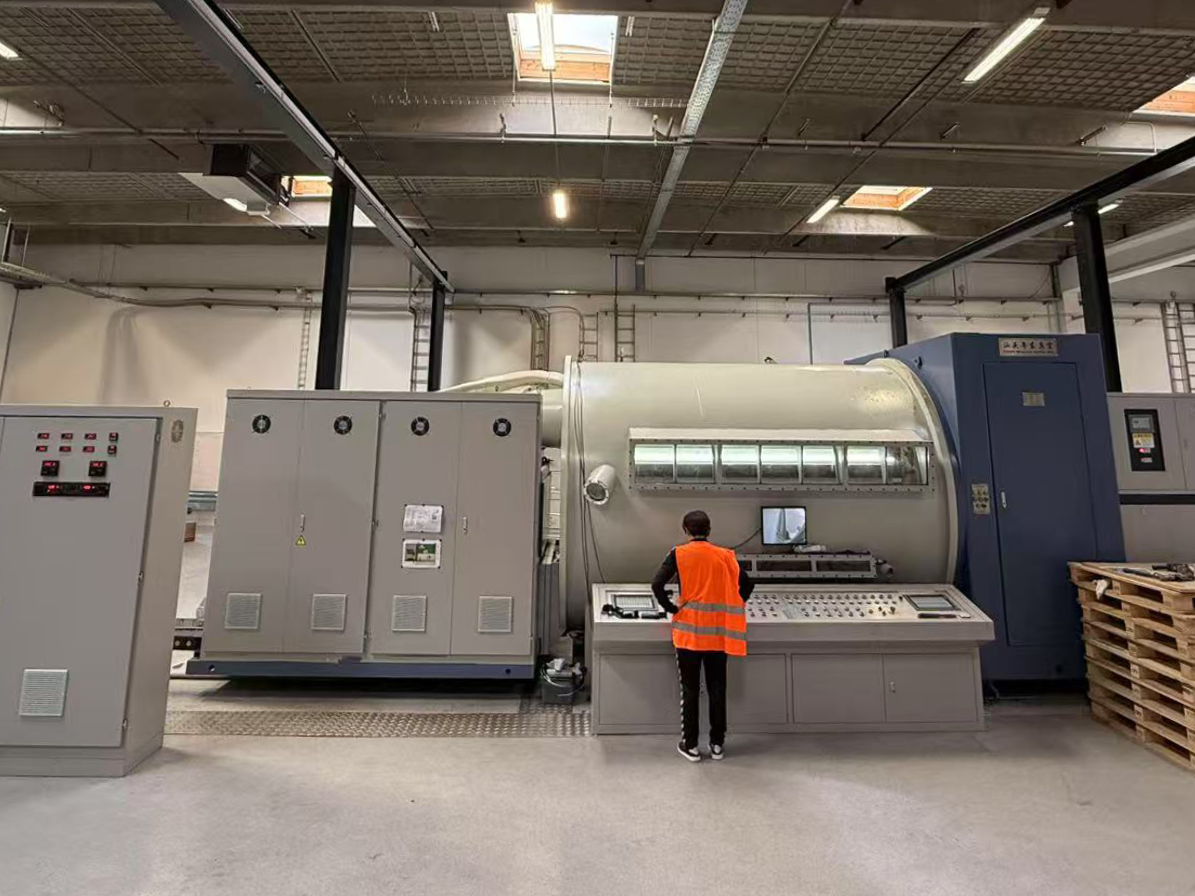
| At YUEDONG METALLIZER , we understand that choosing vacuum metallizing equipment is a long-term investment. The right solution should meet your production requirements while supporting practical operation and ongoing maintenance. Our 2H series Two Sides Open Film Vacuum Metallizing Machine is designed for quicker maintenance and less work intensity. It has high vacuum condition, easy to reach 2×10⁻³ Pa Ultimate vacuum which helps your coating layer shiner. If you are planning a new production line, our team can help you evaluate the options based on your application and operational needs. Contact us to learn more about our vacuum metallizing machines and find a suitable solution for your production requirements. | 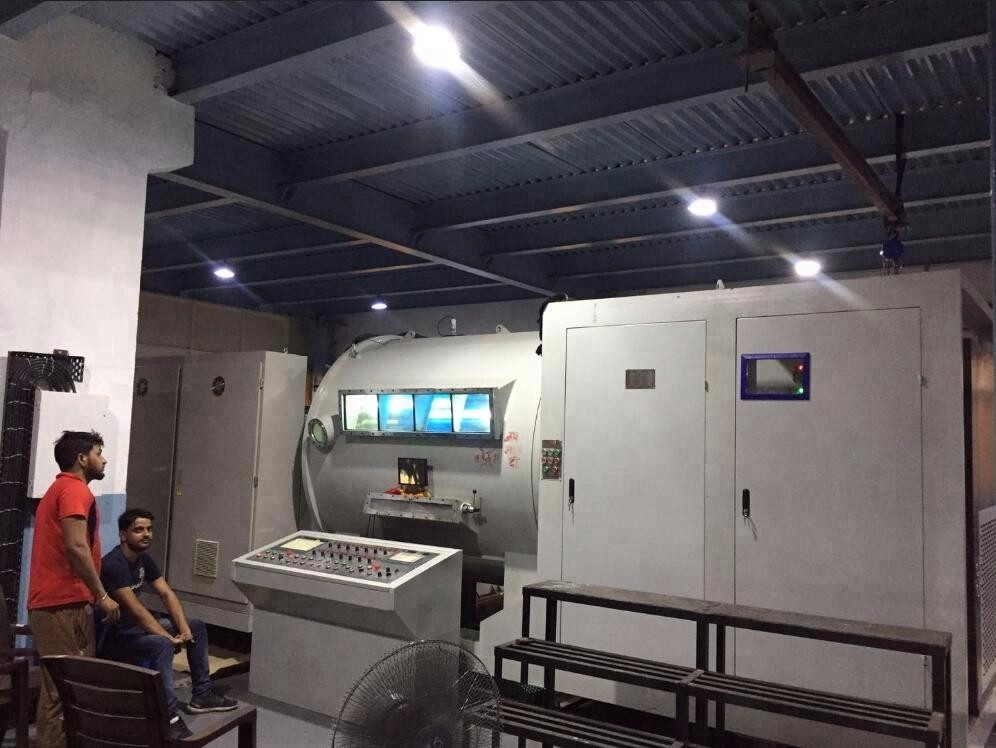 |
Conclusion
A high-quality vacuum metallizing machine is an important investment, but maintaining its performance requires consistent attention to essential maintenance tasks.
Timely oil replacement and lubrication help support vacuum performance, protect pump components, and reduce the risk of unexpected downtime. By following the recommended maintenance schedule and monitoring oil condition, operators can take a proactive approach to equipment care.
Good equipment provides the foundation for reliable production. Proper maintenance helps you get the most out of that investment.