





Hot Products


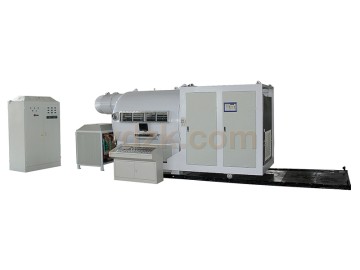
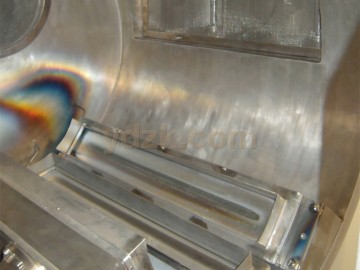
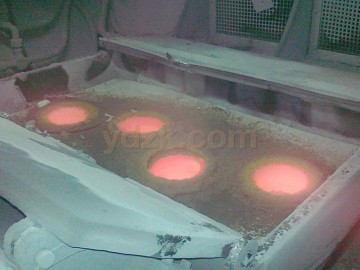
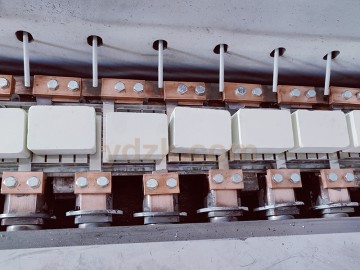


High-Speed Diffusion Pump KT Series - China Suppliers & Factory for Vacuum Metallizing and More
Products Introduction
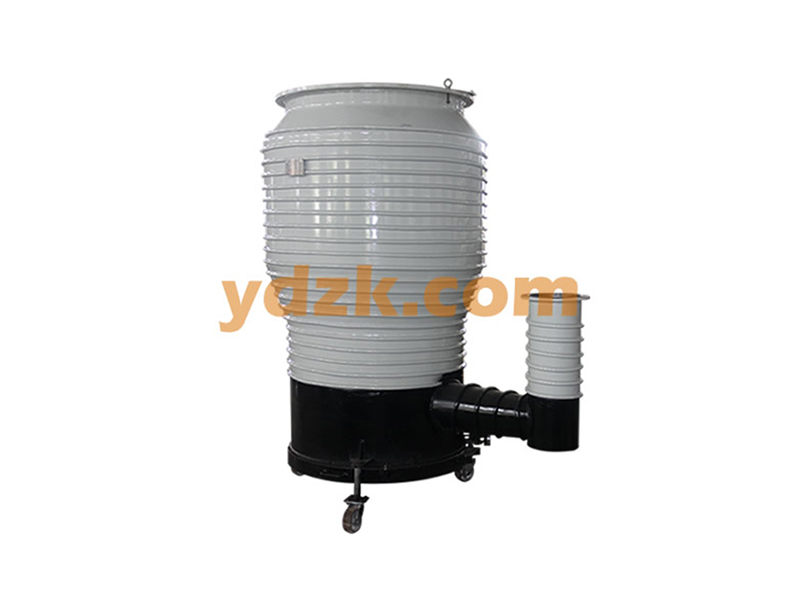
Diffusion pumps generate high vacuum by propelling gas molecules through a vapor jet system, where vaporized fluid drives particles downward into the pump's base for expulsion through the exhaust port. This mechanism establishes them as essential equipment in high-vacuum applications.
Diffusion pump of KT series is the major equipment for obtaining the high vacuum degree (10-2 - 10-5Pa). It can assemble into a vacuum pumping system with the valves, water-cooling baffle, pipes and mechanical vacuum pump, and achieve the working vacuum degree for 10-2 - 10-4Pa.
Key Specifications
-
✓
Vacuum Range: 10-2 - 10-5 Pa ultimate vacuum degree.
-
✓
Working Vacuum: 10-2 - 10-4 Pa when fully assembled.
-
✓
System Compatibility: Easily integrates with valves, water-cooling baffles, pipes, and mechanical pumps.
Frequently Asked Questions
How does a diffusion pump generate a high vacuum?
Diffusion pumps generate high vacuum by propelling gas molecules through a vapor jet system. The vaporized fluid drives the gas particles downward into the pump's base, where they are expelled through the exhaust port.
What is the ultimate vacuum range of the KT series diffusion pump?
The KT series diffusion pump is designed to obtain a high vacuum degree ranging from 10-2 to 10-5 Pa.
What components are needed to build a complete vacuum pumping system?
To build a complete vacuum pumping system, the KT series diffusion pump can be assembled with valves, a water-cooling baffle, connection pipes, and a backing mechanical vacuum pump.
What working vacuum level can the assembled system reach?
Once assembled with the necessary valves, pipes, water-cooling baffle, and mechanical vacuum pump, the system can achieve a working vacuum degree of 10-2 to 10-4 Pa.
Why is the KT series diffusion pump considered essential for high-vacuum applications?
It is considered essential because of its highly efficient vapor jet mechanism that reliably drives out gas molecules, making it the primary equipment for achieving stable high-vacuum environments.