







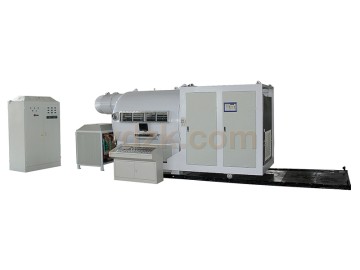


China 2X Series Rotary Vane Vacuum Pumps - Reliable Suppliers & Factory for Efficient Vacuum Solutions
Products Introduction
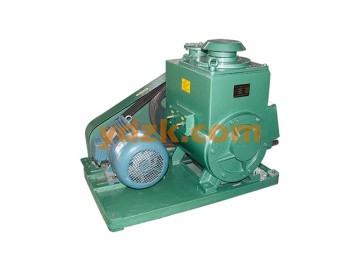
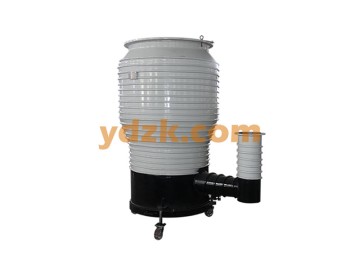
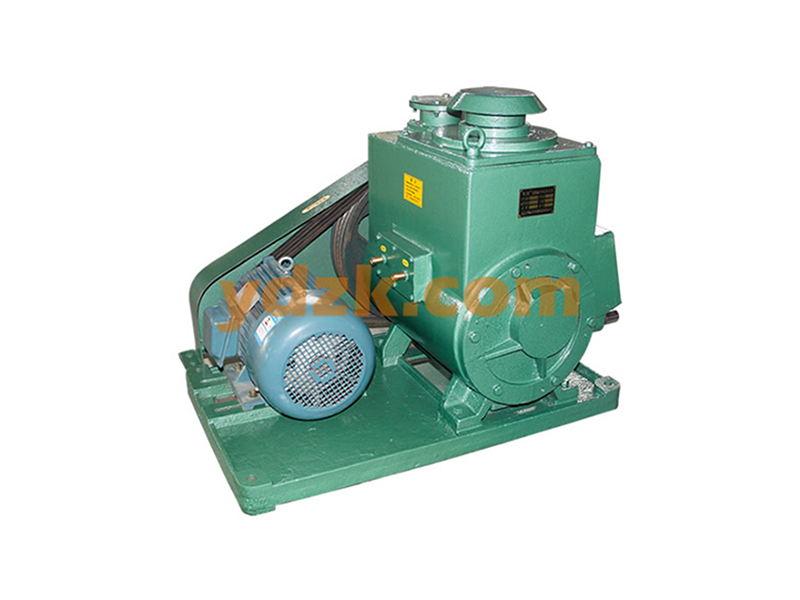
A rotary vane pump operates as a positive-displacement device comprising vanes attached to a rotating central shaft within a sealed chamber. It is used for vacuum coating, evacuating of thermos flasks, Poly, lamp bulbs and electronic tubes, and vacuum use in medicine, chemistry and laboratories. It can be either operated individually or as a pre-stage pump incorporation with a booster pump, a diffusion pump or a molecular pump.
During the pump's operation, appointed lubrication-oil and seal components are used. It is suitable for evacuation clean air which there is no chemical change while in contact with pump oil. However, it is not suitable for evacuating gas which possesses particles of dust, a high content of oxygen, and a tendency to explode or corrode metals.
Used for vacuum coating, evacuating thermos flasks, Poly, lamp bulbs, electronic tubes, and medical, chemical, and laboratory vacuum systems.
Can function independently or serve as a pre-stage pump combined with booster, diffusion, or molecular pumps.
Designed for evacuating clean air that does not cause chemical reactions when in contact with the pump oil.
Do not use to evacuate gases containing dust particles, high oxygen content, or explosive/corrosive properties.
Frequently Asked Questions
How does a rotary vane pump operate?
It operates as a positive-displacement device featuring vanes attached to a rotating central shaft within a sealed chamber to generate vacuum pressure.
What are the main applications of this pump?
Common applications include vacuum coating, evacuating thermos flasks, Poly, lamp bulbs, electronic tubes, and vacuum processes in medicine, chemistry, and laboratories.
Can it be used alongside other pumps?
Yes, it can be operated individually or integrated as a pre-stage pump with a booster pump, diffusion pump, or molecular pump.
What type of gas is suitable for evacuation?
It is suitable for evacuating clean air that will not cause chemical changes when it comes into contact with the pump oil.
What gases and materials should be avoided?
It is not suitable for evacuating gases containing dust particles, high oxygen levels, or any substances that are explosive or corrosive to metals.