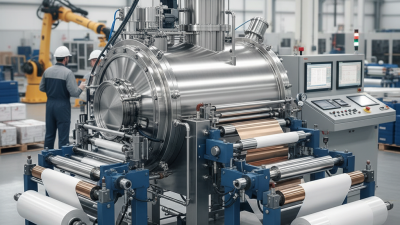
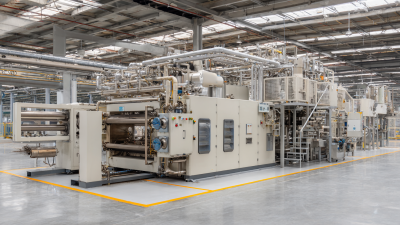
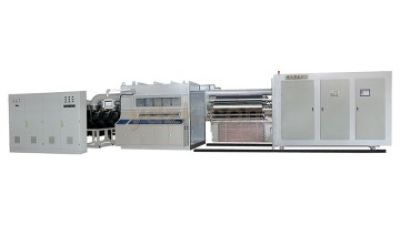
The global market for vacuum coating machinesis growing pretty quickly these days. By 2023, it’s expected to hit around $4.5 billion, with a compound annual growth rate of about 7.5%. A lot of this growth comes from increasing demand in industries like electronics and automotive. Industry expert Dr. Michael Zhang points out, “The future of Vacuum Coating tech really hinges on innovation and making things more efficient.”
That said, choosing the right supplier is super important—it's not as simple as it sounds. There are some well-known names like Veeco Instruments and Sputtering Components, each bringing their own perks to the table. But, of course, there are hurdles too. For example, balancing cost and quality can often be a tricky game, leading to some tough calls.
Having trustworthy suppliers can really help sort out these challenges. Industry reports highlight how crucial it is to rely on equipment that’s proven to perform consistently. Many folks struggle to find suppliers that meet high standards, and understanding these market dynamics can make a big difference when you're making purchasing decisions.
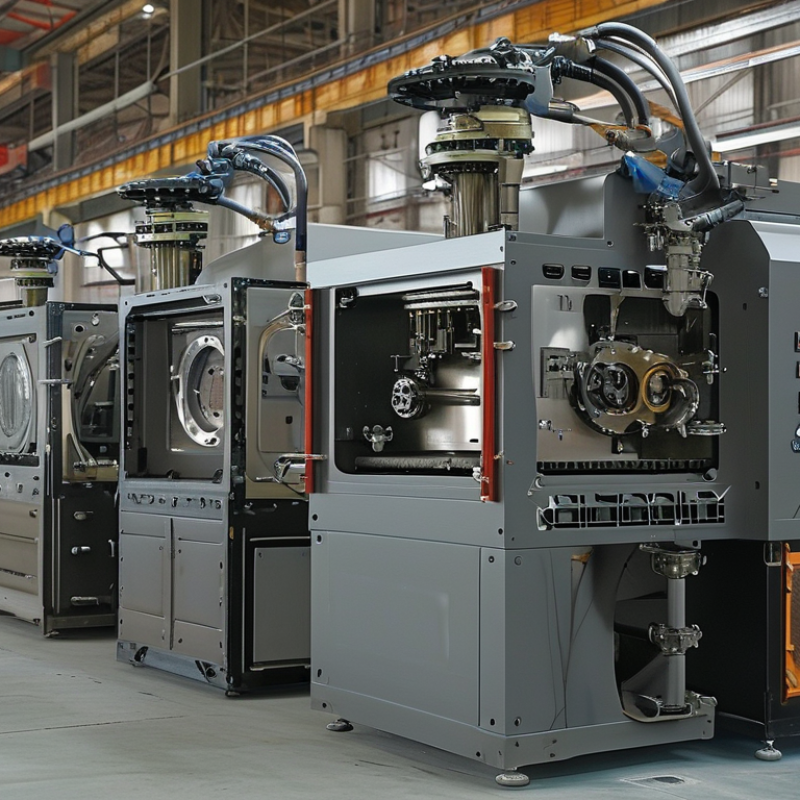
Global Overview of Vacuum Coating Technology and Applications
Vacuum Coating Technology is essential in various industries, including electronics, optics, and automotive. This process involves depositing thin films of materials onto surfaces in a vacuum environment. According to industry reports, the global vacuum coating market is projected to reach $37 billion by 2027, growing at a CAGR of 6.1%. This significant growth underscores the technology's expanding applications in sectors demanding high-performance coatings.
The applications range from enhancing the durability of electronic components to providing anti-reflective coatings for optical devices. However, challenges exist. Not all materials perform optimally in a vacuum environment, leading to inconsistent results. In some cases, manufacturers struggle with scaling up production while maintaining quality. Data from a recent market analysis indicates that 25% of companies experience difficulties due to equipment limitations.
Moreover, environmental concerns are pushing for greener technologies. The demand for sustainable practices in vacuum coating is evident. Reports indicate that 70% of buyers prefer suppliers who are dedicated to reducing their carbon footprint. Navigating these complexities is crucial for suppliers aiming to meet the market's evolving needs. Industry stakeholders must address these challenges to thrive in a competitive landscape.
Key Features and Specifications to Consider in Vacuum Coating Machines
When selecting a Vacuum Coating Machine, specific features are essential. These machines must offer precise control over the coating process. Look for adjustable parameters like temperature and pressure. This control ensures a uniform coating over varied substrates. Additionally, the machine's ability to handle different materials enhances versatility, catering to diverse applications.
Power consumption is another critical aspect. Energy-efficient models can significantly reduce operational costs. Check the specifications for energy ratings. This can influence long-term investments. Also, consider the maintenance requirements. A machine that is easy to maintain ensures consistent performance and longevity. A convenience factor to look at is automation features. Automated systems can enhance production efficiency but may require initial training.
Lastly, compatibility with various substrates cannot be overlooked. The ideal Vacuum Web Coating Machine should have a broad range of material handling capabilities. This versatility is crucial for manufacturers in different sectors. Evaluate these features carefully. Reflection on the specific needs of your production line is vital. Each buyer's requirements can differ, impacting the choice of machine significantly.
Leading Vacuum Coating Machine Suppliers: A Comparative Analysis
In the competitive landscape of vacuum coating technology, numerous suppliers aim to capture the global market. The selection process for a reliable supplier is crucial. Factors like quality, service, and innovation significantly impact buyers' decisions. Some suppliers excel in advanced technology while others focus on cost efficiency. This variety creates a challenge for buyers.
When comparing leading vacuum coating machine suppliers, it becomes evident that not all are equal. Some specialize in high-end Vacuum Film Coating Machines, delivering superior durability and efficiency. Others may offer basic machines with lower performance metrics. Trust and reliability are paramount. Buyers often seek those with strong industry feedback and proven track records. Yet, even top suppliers may have gaps in service or support, prompting further research.
The need for reflection is essential in selecting a vacuum coating partner. A machine that fits one production line might not suit another. Do suppliers truly understand the unique needs of each application? Such questions must guide buyers. Thorough evaluations and testimonials can help avoid costly mistakes. The market is vast, but the right choice can maximize production capabilities and profitability.
Top Vacuum Coating Machine Suppliers - Comparative Analysis
Regional Leaders in Vacuum Coating Technology: North America and Europe
In recent years, North America and Europehave emerged as regional leaders in vacuum coating technology. The demand for advanced vacuum coating solutions grows across various industries, including automotive, electronics, and optics. According to a recent market analysis report, the global Vacuum Coating Equipment market was valued at approximately$8.2 billion in 2022 and is projected to reach $13.7 billion by 2030, showcasing significant growth.
North America still holds a notable share in this market, driven by technological advancements and increased investment in R&D. Europe is also witnessing rising adoption of sustainable technologies, with many manufacturers focusing on eco-friendly solutions. The Ce Certificate Vacuum Coating Machine represents a robust option for buyers looking for quality assurance and compliance with European standards. However, choosing the right machine can be challenging due to the variety of options available.
Tips: When selecting a vacuum coating machine, consider its energy consumption. Some machines offer better efficiency than others. Look for models with higher ratings.
Furthermore, the intricate nature of Vacuum Coating Processes requires specialized knowledge. Suppliers can provide essential training and support for efficient operation. The current industry trend indicates a growing emphasis onautomation and precision. This shift demands continuous updates on best practices. It’s crucial for businesses to reflect on their needs and technical capabilities in this evolving landscape.
Emerging Vacuum Coating Suppliers in Asia and Their Innovations
The vacuum coating industry is witnessing a surge in innovation, particularly among emerging suppliers in Asia. These companies are developing advanced technologies that enhance coating quality and efficiency. Some of the new players focus on environmentally friendly solutions, which meet the growing demand for sustainability. Their research emphasizes using less energy and reducing waste during the coating process.
In addition to green technologies, many Asian suppliers are exploring novel materials and techniques. Thin-film coatings are gaining traction due to their superior performance in various applications. Some suppliers have also started incorporating automation into their coating systems. This helps improve precision and consistency. Yet, challenges remain in scaling these innovations to meet global demand.
Despite the progress, the market is competitive and unpredictable. Suppliers must constantly adapt to changing customer needs. Identifying the right technologies while managing costs is no easy task. Each innovation presents both opportunities and potential risks. The path forward requires thoughtful reflection on what works and what doesn’t in real-world applications. This ongoing evolution in the vacuum coating sector showcases the dynamic landscape of Asian suppliers.
Sustainability in Vacuum Coating: Eco-Friendly Practices and Trends
Sustainability in Vacuum Coating is vital for the industry’s future. Eco-friendly practices must be prioritized to reduce the environmental footprint of this technology. Manufacturers are increasingly aware of their carbon emissions. They are seeking new methods to minimize waste during the vacuum coating process. This shift towards sustainability can also enhance operational efficiency.
Using water-based coatings instead of solvent-based options is one such technique. These methods lower hazardous emissions significantly. Additionally, advancements in technology allow for recycling of coating materials. This not only conserves resources but also lowers operating costs. However, the industry still faces challenges. Implementing these sustainable practices often requires upfront investment.
Moreover, the need for skilled labor to manage new processes is essential. Training programs play a crucial role in this transition. Without adequate knowledge, implementing eco-friendly changes can become problematic. The path to sustainability in vacuum coating is complex but necessary. Industries that adapt will be more competitive in the long run.
Top Vacuum Coating Machine Suppliers for Global Buyers - Sustainability in Vacuum Coating: Eco-Friendly Practices and Trends
| Dimension | Data |
| Number of Suppliers | 150+ |
| Major Regions | North America, Europe, Asia-Pacific |
| Common Eco-Friendly Practices | Recycling, Waste Reduction, Energy Efficiency |
| Average Machine Cost | $50,000 - $200,000 |
| R&D Investment in Sustainability | 10-15% of annual budget |
| Growth Rate of Eco-Friendly Machines | 15% annually |
| Key Trends | Smart Coating Solutions, Biodegradable Coatings |
Future Trends in Vacuum Coating Technology and Market Growth Potential
The vacuum coating technology sector is evolving rapidly. Many industries, from electronics to healthcare, are increasing their adoption of these systems. This growth highlights a demand for advanced coating solutions that enhance product performance. In recent years, we’ve seen innovations like atomic layer deposition, which offers superior precision. This is crucial for industries requiring meticulous control over film thickness.
Market growth potential is significant. Analysts predict a steady increase in the use of vacuum coating machines over the next decade. This rise is driven by advancements in materials and processes. Companies are exploring new coatings that improve durability and functionality. Yet, challenges remain in materials sourcing and technology scalability.
As the industry matures, environmental sustainability is becoming a priority. Many manufacturers seek to minimize waste and energy consumption. However, achieving this goal is not straightforward. The balance between performance and sustainability often needs careful consideration. Continuous research and development are essential for overcoming these hurdles.
Enhancing Packaging Efficiency: Insights from Recent Industry Reports on Rectangular Chamber High Speed Vacuum Metallizers (F Series)
The advancements in rectangular chamber high-speed vacuum metallizers, particularly the F series, have significantly enhanced packaging efficiency across various industries. Recent industry reports emphasize that these machines have a uniquely designed evaporation section, accounting for merely 25% of the vacuum chamber area. This design maximizes pumping speed and free air capacity while maintaining optimal vacuum conditions, which is crucial for achieving high-quality metallized films.
Furthermore, the operational efficiency of the F series is bolstered by its innovative unwind and rewind system located on the same side. This design not only simplifies operation but also enhances stability during prolonged usage, a factor that is crucial in a fast-paced production environment. Reports indicate that such configurations lead to a marked reduction in downtime and maintenance requirements, proving beneficial for manufacturers looking to streamline processes.
In terms of output quality, the F series excels in uniformity and metallic gloss, resulting from its specialized design features. Its capability to handle large roll diameters with metallizing speeds reaching up to 1000m/min sets a new benchmark in the industry. The findings from various industry analyses suggest that these advancements are driving increased adoption of high-speed vacuum metallizers, offering manufacturers a competitive edge in producing aesthetically appealing and functionally superior packaging materials.
FAQS
: Vacuum coating technology deposits thin films onto surfaces in a vacuum. Many industries benefit from this process.
Key industries include electronics, optics, and automotive. Each sector uses coatings for durability and performance.
Some materials do not perform well in a vacuum. Inconsistent results can affect production quality.
The vacuum coating market could reach $37 billion by 2027. This indicates growing demand for high-performance coatings.
Many buyers prefer suppliers focused on sustainability. About 70% prioritize reducing carbon footprints in their choices.
These regions show strong demand and investment in R&D. They are leading in advanced vacuum coating solutions.
Focus on energy consumption and efficiency. Higher-rated models often lead to better performance and lower costs.
Specialized knowledge is essential for success. Training can improve operational efficiency and product quality.
There is a growing emphasis on automation and precision. Businesses need to stay updated on best practices.
Suppliers must navigate material performance and environmental concerns. This can be challenging and requires careful reflection.
Conclusion
The article provides a comprehensive overview of vacuum coating technology and its diverse applications in various industries. It highlights the key features and specifications that buyers should consider when selecting a vacuum coating machine, ensuring they make informed decisions based on performance and efficiency. A comparative analysis of leading suppliers in the market offers insights into the strengths and weaknesses of different manufacturers, while the discussion on regional leaders, particularly in North America and Europe, reveals the robust advancements these areas have made in vacuum coating technology.
Additionally, the article examines emerging suppliers from Asia who are introducing innovative approaches to vacuum coating, reflecting the region's dynamic contributions to the field. It also addresses the importance of sustainability, emphasizing eco-friendly practices within the industry. Finally, the article explores future trends and potential market growth in vacuum coating, underscoring the technology's significance in various sectors and its evolving landscape.