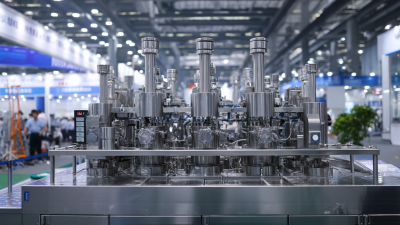
Choosing the right Crucible Metallizercan be daunting. With numerous options available, understanding your needs is essential. Dr. Thomas Elwood, a leading expert at MetalTech Innovations, emphasizes, "Selecting the proper Crucible Metallizer shapes your production quality."
Every business has unique requirements. Factors like material compatibility, process capacity, and specific applications play a crucial role. A perfect fit not only enhances efficiency but also ensures quality outcomes. Yet, many companies overlook these details. They often rush their decision without sufficient research, leading to suboptimal choices.
Ultimately, investing time in understanding the potential of a Crucible Metallizer is worthwhile. Trustworthy suppliers provide guidance, but be cautious of their recommendations. Not all suggestions will align with your objectives. Reflect on your company's needs and remain critical. Careful consideration can prevent costly mistakes.
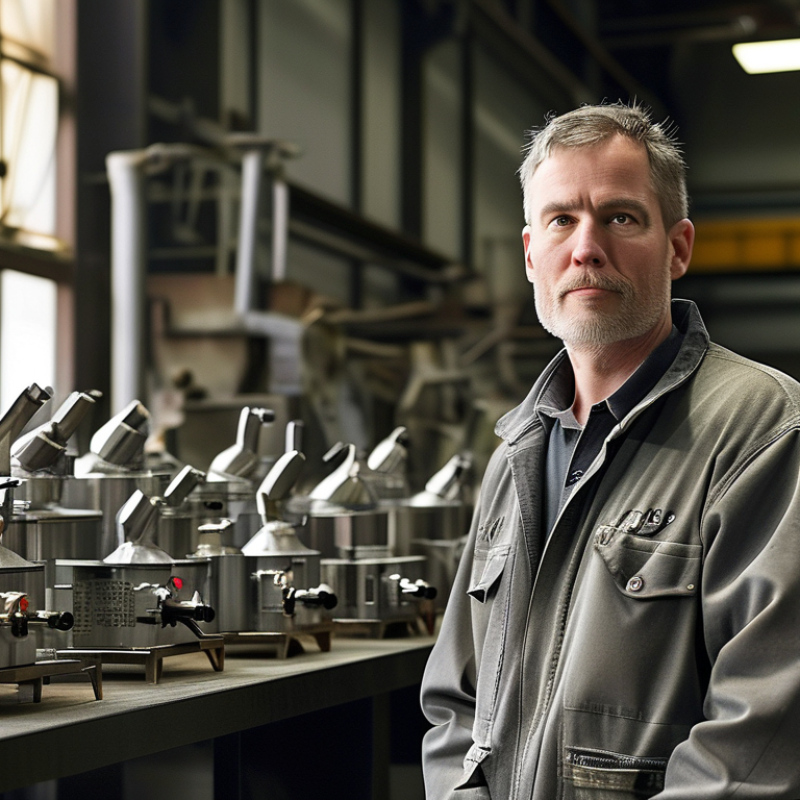
Crucible metallizers are essential tools in various metallurgy applications. Their primary purpose is to create thin films of metals on different substrates. This process often enhances the material properties, providing functionalities like improved conductivity, corrosion resistance, or aesthetic finishes. Understanding the nuances of how these metallizers work can be pivotal for professionals in the field.
Choosing the right crucible metallizer requires in-depth knowledge of your specific needs. Different types of metallizers function optimally with various materials. Factors such as temperature stability, material compatibility, and deposition rate should influence your decision. Users often overlook these details, leading to suboptimal results. Researching and examining the specifications can prevent costly mistakes in the long run. An effective metallizer should align with your project's objectives, whether for industrial applications or artistic pursuits.
Despite the technological advancements, many users struggle with the intricacies of crucible systems. Calibration issues and improper settings can lead to uneven coatings. User experience plays a crucial role in maximizing the effectiveness of these devices. Engaging with experts or peers can offer insights that enhance your approach. Understanding the limitations of your chosen device is just as important as knowing its strengths.
| Feature | Description | Importance | Recommended Specifications |
|---|---|---|---|
| Type of Crucible | Material used for melting metals | High | Ceramic or graphite crucibles |
| Capacity | Volume of material it can hold | Medium | 1kg to 10kg |
| Heating Method | How the crucible is heated | High | Induction or resistance heating |
| Temperature Range | Maximum temperature the crucible can withstand | High | Up to 1600°C |
| Durability | Resistance to cracking and thermal shock | High | Long-lasting with proper use |
| Cost | Price point of the crucible | Medium | $50 to $500 |
Crucible metallizers play a significant role in various industries. Different types are designed for specific applications. For instance, thermal spray metallizers are often used for coating metals. They create a protective layer on surfaces, enhancing durability and performance.
Another type is plasma metallizers, known for their precision. These devices utilize a plasma jet to apply coatings. This process is particularly beneficial for components requiring extremely fine coatings. The versatility of these metallizers allows them to be adapted for numerous materials, from ceramics to metals.
However, choosing the right one can be challenging. Factors to consider include the material being coated, desired thickness, and application method. Not all metallizers perform equally across different materials. It's essential to understand these details to make an informed choice. A well-researched selection can lead to improved efficiency and cost savings in the long run. Consider all factors carefully to avoid costly mistakes.
When selecting a crucible metallizer, several key features must be evaluated. The material compatibility is crucial. Most metallizers handle various alloys, but specific models excel in melting non-ferrous metals. According to a 2022 industry report, machines with ceramic crucibles outperform others when working with high-temperature applications. This feature enhances durability and ensures precise melting.
Thermal efficiency also plays a vital role. A machine with superior insulation minimizes energy loss. It can lower operational costs significantly. The right crucible metallizer can achieve efficiencies up to 90%, making a noticeable impact on production. Additionally, a system that allows for temperature controlcontributes to uniformity in the Metallization Process.
Tip: Always assess the machine's user interface. A more intuitive design can reduce training time and improve safety. Furthermore, consider maintenance needs; machines that are difficult to maintain may incur higher long-term costs. Always involve your team in the selection process. Gathering insights from experienced operators ensures the chosen equipment meets practical expectations.
When selecting a crucible metallizer, performance metrics are crucial. Different models showcase varying efficiency. According to the Metallurgical Society, over 75% of users prioritize deposition rate and uniformity when comparing options. A higher deposition rate means faster production cycles, impacting productivity.
Uniformity affects coating quality significantly. A recent study showed that 80% of defects in coated materials arise from inconsistencies in thickness. Therefore, understanding how a metallizer delivers uniform coatings can influence your long-term success. You should select a model that demonstrates superior control over these metrics.
Energy consumption is also a key concern. Industry reports indicate that optimized metallizers can reduce energy usage by up to 30%. Poor energy efficiency leads to higher operational costs and environmental impacts. An ideal crucible metallizer balances performance and sustainability, pushing towards greener practices without sacrificing quality. Real-time monitoring of these metrics can further help refine processes and improve outcomes.
Choosing the right crucible metallizer involves considering budget and cost-effectiveness. It is crucial to analyze initial purchase costs and long-term operational expenses. According to industry reports, companies often under-budget for maintenance and consumables. Neglecting these factors can lead to unexpected costs, impacting overall profitability.
Operational efficiency is vital. Research indicates that proper training can improve output quality by 25%. Investing in training may seem unnecessary, yet it significantly reduces waste. Furthermore, energy consumption plays a significant role. A metallizer with lower energy consumption can save about 15% annually, depending on usage.
Additionally, the lifespan of Crucible Metallizing equipment is worth assessing. Reports suggest that cheaper models often lead to higher replacement rates. This can counterbalance initial cost savings. Evaluating total cost of ownership, not just initial price, ensures a sound investment.
When selecting a Crucible Metallizing Machine, maintenance and support play a crucial role. Regular maintenance ensures the longevity and efficiency of the machine. Lubricating moving parts, cleaning, and checking electrical connections are essential tasks. Skipping these can lead to unexpected downtimes. Some users may overlook these aspects, leading to reduced productivity.
Having access to reliable support is equally important. Manufacturers often provide resources for troubleshooting and repairs. However, not all support is equally effective. Users should research the responsiveness and expertise of the support teams. Documentation can sometimes be vague or insufficient. In such cases, experienced technicians can provide invaluable insights.
Workshop staff should be trained to deal with minor issues independently. This reduces dependency on external support and fosters problem-solving skills. However, if complex problems arise, it’s crucial to recognize when to seek professional help. Balancing self-sufficiency with expert support can enhance overall operational reliability.
Choosing the right crucible metallizer can be daunting. Reading reviews is crucial for making informed choices. Industry reports suggest that nearly 70% of users rely heavily on reviews before purchasing. These reviews often highlight performance, durability, and cost-effectiveness. When exploring user experiences, pay attention to potential shortcomings. A common complaint is that some metallizers struggle with consistency.
Another important aspect is the recommendations from industry experts. Reports indicate that 40% of successful metallizer users consult professionals. They value insights on which features truly matter. For instance, the thermal efficiency of a Cpp Metallizer could sway your decision. Many users cite that high thermal efficiency leads to better results in production. Not all recommendations, however, are reliable. It's essential to consider the context of these suggestions.
Trends in the industry show a growing emphasis on user feedback. Manufacturers often adjust their offerings based on common user experiences. Look for trustworthy sources that provide thorough analysis and comparisons. Raw data from industry analyses can sometimes reveal dissonance between user experience and manufacturer claims. Not every model will meet every need. A critical approach helps in identifying the best fit.
: They create thin metal films on substrates to enhance properties like conductivity and corrosion resistance.
Consider specific needs, material compatibility, temperature stability, and deposition rate before making a decision.
Many overlook important details, leading to suboptimal results and costly mistakes in their projects.
Calibration and settings affect coating quality. Experienced users yield better results.
Proper training can improve output quality significantly and reduce waste over time.
Evaluate the total cost, including initial purchases, maintenance, and consumables, not just upfront costs.
A more energy-efficient metallizer can save approximately 15% on energy costs annually based on usage.
Cheaper models may have shorter lifespans, leading to higher replacement costs in the long run.
Understanding the limitations is essential for informed usage and maximizing effectiveness.
Experts can provide valuable insights that enhance the operational approach and decision-making process.
Choosing the right Crucible Metallizer requires a thorough understanding of its purpose and the various types available for different applications. It's essential to consider key features such as the device's performance metrics, efficiency, and overall budget to determine cost-effectiveness. A well-informed selection process also involves evaluating maintenance requirements and ongoing support for the metallizers, ensuring they meet specific operational needs.
Additionally, reading reviews and recommendations from industry professionals can provide valuable insights, guiding users toward making informed choices. By focusing on these aspects, individuals and businesses can select a Crucible Metallizer that best fits their requirements, ultimately enhancing productivity and operational success.