If you’re in manufacturing, then you probably already know—picking the right equipment isn’t just important, it’s kinda what makes or breaks your process. Take the Vacuum Coating Machine, for example. It’s one of those must-have tools that so many buyers around the world are after, especially if they want to boost product quality and make things last longer. Honestly, these machines can do a lot—like helping improve how well coatings stick and giving surfaces that smooth, professional look. Lots of manufacturers are looking to China, too, since they’re known for offering good quality gear without breaking the bank.
But, here’s the thing: not all Vacuum Coating Machines are equally great. It’s really worth doing your homework—a little research can save you from a lot of headaches later on. Performance and reliability should be at the top of your list because they directly impact how smoothly your production runs. Sometimes, companies claim their machines are the best, but then you find out they’re not quite as impressive in real life. Checking reviews and chatting with folks who’ve actually used the machines can be super helpful.
When you’re ready to buy, don’t just think about how much it costs upfront—consider the long-term benefits, too. Good manufacturers usually offer better support after the sale, which can be a lifesaver. But hey, finding the perfect fit isn’t always instant; you gotta be patient and willing to sift through your options. The tech landscape keeps changing, and staying ahead means constantly figuring out how to upgrade your tools. It’s a continuous process, and doing it right can really pay off in the end.
China's Vacuum Coating Machine Market Overview and Key Players
China's vacuum coating machine market has seen rapid growth in recent years. This surge is fueled by increasing demand from various industries, including electronics, automotive, and optics. The country's well-established manufacturing infrastructure supports this expansion. Many domestic companies have invested in advanced technologies to improve efficiency and product quality.
Key players in this sector are focused on innovation. They often collaborate with research institutions to enhance their offerings. However, challenges remain. For instance, competition is intense, leading to price pressures. Some manufacturers struggle to maintain quality while reducing costs. Others face difficulties in meeting international standards.
Despite these challenges, the future appears promising. China's strategic initiatives to promote advanced manufacturing can help boost the vacuum coating industry. Continued investment in R&D will be crucial. As global buyers look for reliable partners, companies must prioritize quality and service. Addressing these aspects can enhance their competitive edge.
Technological Advancements in Vacuum Coating Machines in China
China has emerged as a leader in Vacuum Coating Technology, revolutionizing manufacturing across various sectors. Recent studies indicate that the vacuum coating machine market in China is expected to reach $2.5 billion by 2025. This growth is driven by advancements in precision, efficiency, and sustainability. Manufacturers are increasingly adopting techniques such as magnetron sputtering and atomic layer deposition. These techniques enable the production of thinner films, which optimize material usage.
Despite these advancements, challenges remain. Many manufacturers face high operational costs and maintenance issues. It's vital to evaluate the total cost of ownership before investing in new equipment. Emerging technologies may not always guarantee a return on investment.
**Tips:** Always consider vendor support availability. A reliable supplier can significantly minimize downtime. Additionally, monitor performance metrics closely to identify potential inefficiencies early on. Regular training for operators can enhance machinery utilization, improving overall outcomes. As the industry evolves, staying updated on trends will be key to maintaining a competitive edge.
China Best Vacuum Coating Machine for Global Buyers? - Technological Advancements in Vacuum Coating Machines in China
| Model | Coating Technology | Application | Max Coating Speed (m²/h) | Power Consumption (kW) | Price Range (USD) |
| VCM-1000 | PVD | Optical Coatings | 20 | 15 | 20000 - 25000 |
| VCM-2000 | Sputtering | Semiconductors | 30 | 25 | 30000 - 35000 |
| VCM-3000 | CVD | Decorative Films | 15 | 20 | 15000 - 20000 |
| VCM-4000 | PECVD | Insulation Coatings | 25 | 22 | 25000 - 30000 |
| VCM-5000 | IBAD | Solar Cells | 40 | 30 | 40000 - 45000 |
Comparative Analysis of China's Vacuum Coating Machines vs. Global Competitors
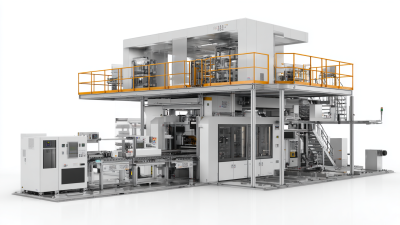
China has emerged as a leader in the manufacturing of vacuum coating machines. Many global buyers are exploring options from China due to competitive pricing and advanced technology. The country offers a wide range of machines, including the Vacuum Web Coating Machine. These machines are known for high efficiency and versatility.
When comparing China's vacuum coating machines to global competitors, several factors come into play. Chinese manufacturers often leverage cost-effective production techniques, enabling them to offer lower prices. However, this may compromise quality in some cases. Buyers should assess machine specifications and user feedback before deciding.
Innovation is a key element in this industry. Chinese firms continually invest in research and development. Despite this, there are instances where performance may not meet international standards. Buyers need to be aware of potential discrepancies in performance and reliability. Understanding these nuances can help in making informed choices when selecting a vacuum coating machine.
Market Trends and Growth Potential for Vacuum Coating in China
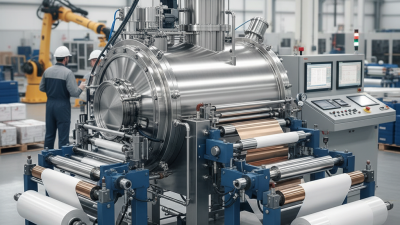
The vacuum coating market in China shows significant growth potential. Industries like electronics and automotive increasingly rely on coatings for durability and functionality. High-quality Vacuum Film Coating Machines are pivotal in this transformation. The technology enhances surface properties, making products more appealing and efficient.
Market trends indicate a rising demand for advanced coating solutions. As manufacturers seek cost-effective methods, investment in Vacuum Film Coating technology becomes vital. Many smaller companies may struggle with the transition due to high initial costs. However, embracing innovation is essential for long-term competitiveness.
China's expertise in vacuum coating provides a solid foundation for global buyers. Local manufacturers focus on improving efficiency and sustainability. The increase in environmentally friendly practices could attract more international interest. Yet, ensuring consistent quality remains a challenge. Buyers must research and verify the capabilities of suppliers.
Market Trends and Growth Potential for Vacuum Coating in China
The above bar chart illustrates the increasing market size for vacuum coating technology in China from 2019 to 2023. As the demand for advanced materials and coatings grows, the market is expected to continue its upward trend, reflecting significant growth potential in this sector.
Export Statistics and Global Demand for Chinese Vacuum Coating Machines
Global demand for vacuum coating machines has surged in recent years. Many industries, including electronics and automotive, rely on these machines for essential manufacturing processes. Chinese manufacturers have become significant players in this market. Their machines often come with a CE Certificate, ensuring compliance with European safety standards.
Export statistics reveal a growing trend in the purchase of Chinese vacuum coating machines. Countries across Asia, Europe, and North America are increasingly sourcing these machines. This shift highlights China's capability in advanced manufacturing. However, challenges exist. Quality control in production can vary, affecting the reliability of some machines. Buyers need to perform due diligence before making purchases.
China's vacuum coating technology is continually evolving. Innovations are being made to enhance efficiency and sustainability. However, not all products deliver the same performance. Buyers should focus on detailed specifications and reviews. It is essential to ensure that the machinery meets specific production needs. Exploring user experiences can provide valuable insights into long-term reliability. This is especially true for machines that come with a CE Certificate, as it often signifies a higher level of quality assurance.
Key Specifications and Features for Optimal Vacuum Coating Performance
When considering a vacuum coating machine, several specifications can greatly influence performance. The key parameters include chamber size, substrate heating capability, and the type of vacuum system. A larger chamber typically allows for more extended runs and larger batches, enhancing productivity. However, optimizing heating methods for various substrates is crucial for adhesion and coating uniformity.
Another important feature is the control system's precision. Advanced machines now offer computer-controlled processes, allowing for more consistent results. This can result in fewer defects and higher-quality finishes. Yet, the complexity of these systems can pose challenges during operation. Adequate training is essential for users to navigate such technology effectively.
Material compatibility is also a vital consideration. Different materials require specific coatings to achieve desired effects. It’s critical to assess the range of materials your machine can handle. While some machines excel with metal coatings, they may not perform well with plastics. Recognizing these limitations can help in making informed decisions. These factors contribute to the overall effectiveness of a vacuum coating machine, ultimately impacting your production goals.
Case Studies: Success Stories of Global Buyers Using Chinese Machines
In recent years, numerous global buyers have turned to China for Vacuum Coating machines. These machines have proven their efficiency and reliability across various industries. Companies reported increased production rates and improved product quality. One buyer noted, "The precision of the coating process has drastically enhanced our product's performance."
However, challenges remain. Some buyers found it challenging to adjust to new technologies. Training staff on the specialized operation of vacuum coating machines took time and effort. Despite these hurdles, most companies confirmed that the transition was worth it. Another user mentioned, "Adapting was tough, but the results exceeded our expectations." The investment has led to long-term benefits, shifting production methods toward sustainability and efficiency.
Feedback from users highlighted the importance of ongoing support. Regular maintenance and access to technical expertise are crucial for maximizing machine performance. Buyers noted, "Without proper support, issues arose, impacting our operations." This underlines the need for strong partnerships with suppliers when utilizing vacuum coating technology in manufacturing.
Innovative Applications and Benefits of Magnetron Sputtering Type Vacuum Metallizing Machines in Modern Manufacturing
Magnetron sputtering type Vacuum Metallizing machines represent a breakthrough in modern manufacturing, particularly in how materials are coated and utilized. By transcending the limitations imposed by traditional heating methods, which are often constrained by melting points, magnetron sputtering employs a combination of electric fields, magnetic fields, and inert gases. This innovative process securely bombards metal particles from target materials onto various substrates, allowing for a uniform and high-quality deposition.
The versatility of this technology is notable, as it enables the coating of a wide range of metallic materials such as chromium, titanium, nickel, stainless steel, copper, and silver. This capacity not only enhances the aesthetic appeal of products but also improves their durability and functionality. Consequently, industries spanning from automotive to electronics can benefit from the enhanced performance characteristics that magnetron sputtering brings to their manufacturing processes. As the industrial landscape continues to evolve, the application of magnetron sputtering technology stands out as a pivotal advancement that drives innovation and efficiency in production.
FAQS
: Buyers are attracted by competitive pricing and advanced technology.
It's essential to assess machine specifications and user feedback carefully.
Sometimes, performance may not meet international standards. Discrepancies in quality exist.
Key specifications include chamber size, substrate heating capability, and vacuum system type.
A larger chamber allows for longer runs and larger batches, boosting productivity.
Optimizing heating methods ensures better adhesion and coating uniformity for various substrates.
An advanced control system provides consistent results, reducing defects and improving quality.
Complexity may lead to challenges. Adequate training is essential for effective operation.
No, material compatibility varies. Some machines may not perform well with certain materials.
Ignoring limitations of machine capabilities can lead to uninformed decisions.
Conclusion
The article "China Best Vacuum Coating Machine for Global Buyers?" provides a comprehensive overview of China's vacuum coating machine market, highlighting key players and recent technological advancements. It presents a comparative analysis of China's machines against global competitors, showcasing how innovations have positioned them favorably in the international market.
Additionally, the article explores current market trends and the growth potential of vacuum coating technology within China. It delves into export statistics, emphasizing the growing global demand for Chinese vacuum coating machines. Key specifications and features necessary for optimal performance are discussed, supported by case studies illustrating successful global buyer experiences. This thorough examination underscores the competitive edge and expanding influence of China's vacuum coating machines on a global scale.